Project Summary To address the critical shortage of specialized space for pediatric blood disorders, AAHP-UK…
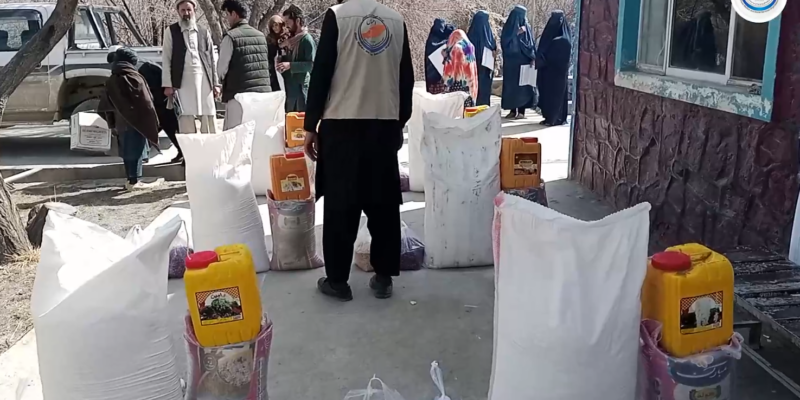
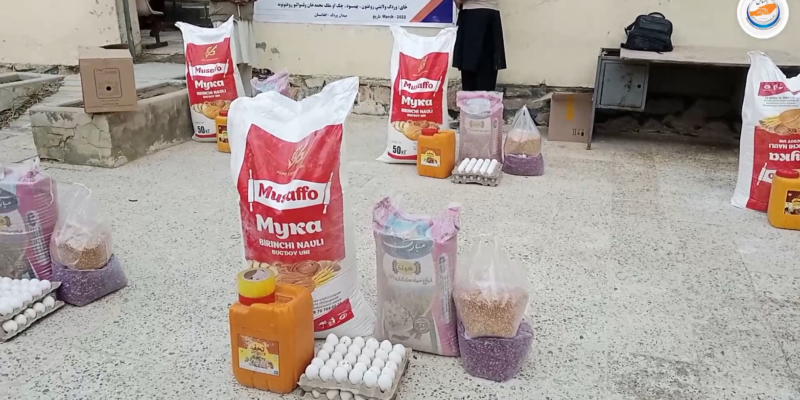
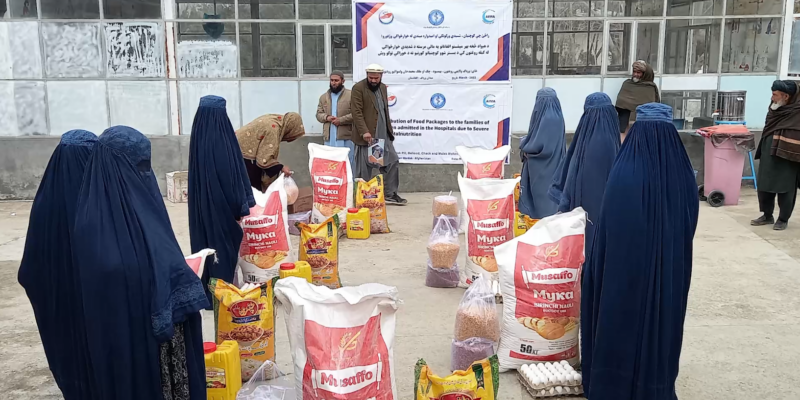
Malnutrition Assistance Project – Kunar Province
- Situation Overview
Kunar Province remains among the areas facing acute humanitarian and public health challenges, driven by persistent food insecurity, limited access to essential health services, and socio-economic vulnerability. These factors have contributed to elevated levels of malnutrition, particularly among women and other at-risk groups, posing serious risks to health, productivity, and survival.
In response to these needs, EWSSO, with financial support from the Association of Afghan Healthcare Professionals – UK, implemented a Malnutrition Assistance Project aimed at addressing immediate nutritional gaps and supporting basic health needs of the most vulnerable populations in Kunar Province.
- Objective
The objective of the intervention was to provide timely humanitarian assistance to malnourished and vulnerable individuals through targeted nutritional support and basic health assistance, contributing to the mitigation of immediate health risks and the stabilization of nutritional status.
- Implementation Approach
The project was implemented using a community-based and needs-driven approach. Beneficiaries were identified in coordination with community representatives and local stakeholders, based on vulnerability and nutritional risk criteria.
Implementation was carried out in line with humanitarian principles and minimum standards, ensuring transparency, accountability, and equitable access to assistance. The intervention was completed within the planned timeframe despite operational and resource constraints.
- Beneficiaries Reached
A total of 35 malnourished individuals were reached through the intervention, disaggregated by sex as follows:
| Sex | Number |
| Male | 16 |
| Female | 19 |
| Total | 35 |
The intervention prioritized gender-sensitive programming, ensuring equitable access for female beneficiaries who face heightened nutrition and health risks.
- Results and Outcomes
The intervention achieved the following key results:
- Improved access to essential nutritional assistance for malnourished individuals
- Mitigation of immediate nutrition-related health risks among assisted beneficiaries
- Support to basic health needs at community level
- Strengthened community trust in local health and humanitarian actors
While limited in scale, the project demonstrated the feasibility and effectiveness of localized nutrition interventions in hard-to-reach areas such as Kunar Province.
- Lessons Learned and Operational Considerations
The project highlighted the importance of:
- Community-based targeting for effective identification of vulnerable individuals
- Flexible, low-cost delivery models to address acute nutritional needs
- Strong coordination with local structures to ensure acceptance and timely implementation
These lessons are directly applicable to larger-scale health and nutrition programming.
- Conclusion and Strategic Relevance
The Malnutrition Assistance Project in Kunar Province was successfully implemented and reached 35 malnourished and vulnerable individuals, contributing to improved nutritional conditions and community well-being.
Given the continued prevalence of malnutrition and limited health service coverage in Kunar Province, this intervention underscores the need for expanded and sustained health and nutrition programming. EWSSO has demonstrated operational capacity, financial efficiency, and community access that can be leveraged for broader health-sector interventions.
With additional support from partners such as WHO and other international donors, EWSSO is well positioned to scale up programming in areas including:
- Community-based management of acute malnutrition (CMAM)
- Maternal, newborn, and child health (MNCH)
- Nutrition surveillance and referral mechanisms
- Basic primary healthcare services in underserved communities
Related Posts
Comments (0)