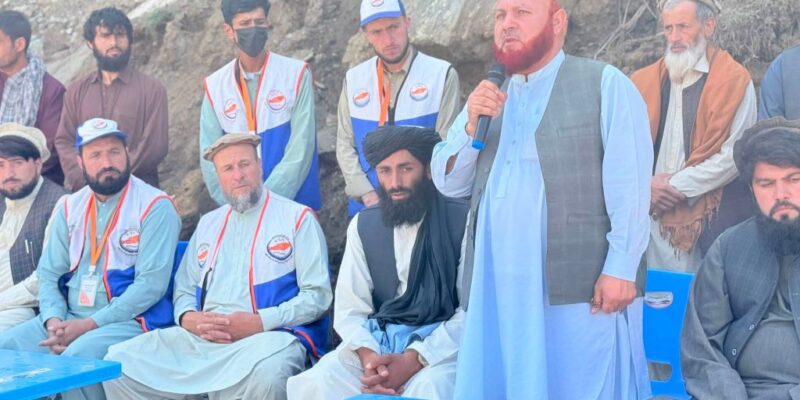
The President of EWSSO attended the condolence ceremony held in honor of those who lost…
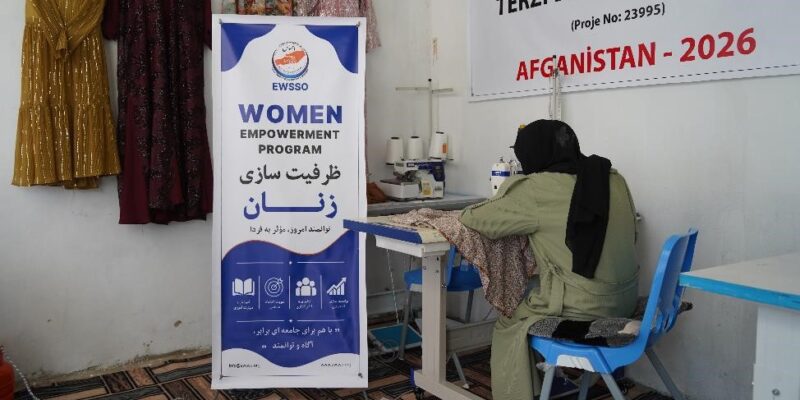
Empowering Afghan Women Through Sustainable Tailoring and Livelihoods
Afghanistan continues to face profound economic challenges as one of the poorest Islamic countries, making sustainable livelihood opportunities essential, especially for vulnerable groups. In response, a six-month tailoring project was launched in August 2025 in the cities of Kabul and Bamyan to empower local tailors with skills and income-generating opportunities. This project comprises 4 tailoring shops, each staffed by 4 tailors. The primary goal is for these tailors to earn a sustainable income through their craft, with the generated revenue shared among themselves to cover living expenses and support the growth of their businesses. The project has now successfully concluded its six-month cycle, demonstrating strong sustainability and positive impact on the lives of 16 women and their families.
This initiative not only provided vital economic support to the tailors but also contributed to building resilient local economies in Kabul and Bamyan. The project has laid a strong foundation for continued growth and self-reliance.
We deeply value the continued support of the Humanitarian Relief Foundation (IHH), whose unwavering dedication to the Afghan people stands as a beacon of hope during times of adversity. Their commitment to compassion and solidarity uplifts those struggling to survive and inspires resilience throughout the nation.
1. Project Overview
This tailoring project was initiated in August 2025 as a six-month livelihood initiative implemented in two provinces of Afghanistan: Kabul and Bamyan. A total of four tailoring shops were established, two in Kabul and two in Bamyan. Each shop is managed by a group of four women tailors, making a total of 16 participants across all locations. The goal of the project is to empower vulnerable women through skill development and sustainable income generation via tailoring services and garment production. The project officially concluded in February 2026 after successfully completing its six-month cycle.

Related Posts
Comments (0)