Project Overview: In response to the urgent humanitarian needs following the recent tragedy at the…
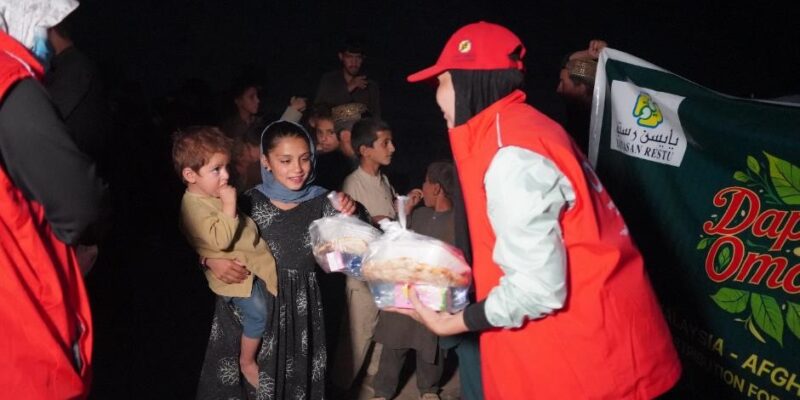
Relief Distribution for Earthquake Victims Kunar, Afghanistan
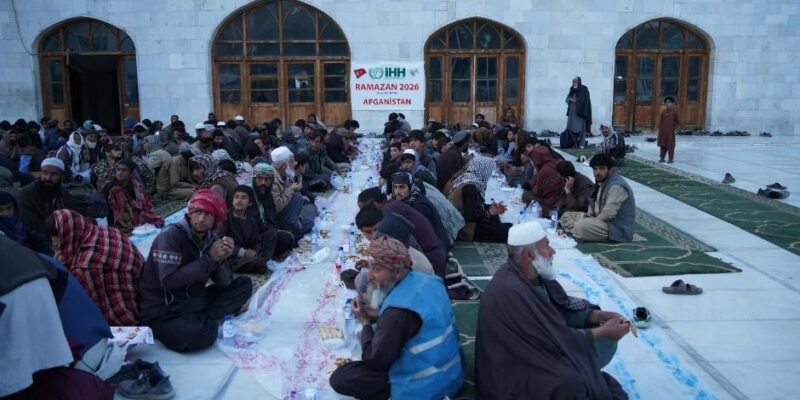
The Ehsas Welfare and Social Services Organization (EWSSO) successfully implemented a humanitarian project in kunar province, where warm, ready-to-eat meals to 5000 earthquake victims were distributed. The initiative aimed to address the urgent food needs of vulnerable families who recently struck by earthquake, providing them with immediate relief and dignity during their resettlement.
This project was made possible through the generous support of the Organization of Malaysian Afghanistan Initiative (OMAI), whose continued assistance plays a crucial role in supporting the well-being of Afghan communities. The project was implemented, demonstrating our commitment to standing alongside vulnerable groups during times of hardship.
Achievements:
· Direct Impact: Successfully distributed warm, ready-to-eat meals to 5000 Earthquake victims, directly addressing their urgent food needs and ensuring immediate relief.
· Community Support: Strengthened a sense of solidarity and compassion within the community by supporting vulnerable returnee families during their difficult transition period.
· Operational Efficiency: Despite logistical and contextual challenges, the EWSSO team implemented the project effectively in Kunar province, completing the distribution on time and demonstrating strong commitment and resilience.
Challenges:
Returnee Vulnerability: Many of the 5000 Earthquake victims in kunar had no resources, creating high pressure to respond quickly to their urgent needs.
Logistical Barriers: Limited infrastructure and the sudden influx of returnees posed challenges in organizing the timely preparation and distribution of warm meals.
Coordination Hurdles: Administrative procedures and local-level coordination requirements created delays and added complexity to the project’s implementation.
Despite these challenges, the successful distribution of warm, ready-to-eat meals to 5000 Earthquake victims, highlights the resilience and dedication of the EWSSO team. The generous support of OMAI was instrumental in making this project possible. Moving forward, EWSSO is committed to strengthening its operational capacity, enhancing coordination with local authorities, and continuing to deliver life-saving assistance to vulnerable Afghan communities.
This project not only demonstrates our ability to overcome obstacles but also reaffirms our mission to stand beside the Afghan people during crises, working towards alleviating their suffering and improving their well- being.
Immediate impact of this project
The distribution of warm, ready-to-eat meals to 5000 Earthquake victims, by the Ehsas Welfare and Social Services Organization (EWSSO), with funding from the Organisation of Malaysian Afghanistan Initiative (OMAI), had an immediate and meaningful impact on vulnerable families in Kunar province.
This intervention provided urgent relief to individuals and families who had recently returned under difficult circumstances, ensuring they had access to nutritious meals ant their other needs during a critical time of transition. The project not only addressed immediate hunger but also offered dignity, hope, and a sense of care to those struggling with uncertainty and hardship.
Changes Observed:
1- Improved Nutrition and Health:
· The immediate provision of warm, ready-to-eat meals to 5000 earthquake victims significantly improved the nutrition and health of Earthquake victims, many of whom were highly vulnerable.
· Families reported improved well-being, reduced hunger, and a lower risk of malnutrition-related illnesses during this critical period of resettlement.
2- Alleviation of Economic Stress:
· By meeting their urgent food needs, the project helped reduce the financial pressure on vulnerable returnee households, enabling them to use their limited resources for other essentials such as shelter, healthcare, and basic supplies.
· This short-term relief allowed families to regain stability and reduced the stress and anxiety.
3- Community Solidarity and Support:
· The project fostered a strong sense of solidarity and compassion within the community, showing that returnees are not left behind in times of hardship.
· This sense of collective support strengthened social bonds and encouraged a culture of empathy and mutual assistance, particularly among vulnerable groups.
Project Contributions:
- Effective Resource Allocation:
- By focusing on 5000 vulnerable Earthquake victims in kunar province, the project ensured that resources were directed to those in the most urgent need, maximizing the humanitarian impact.
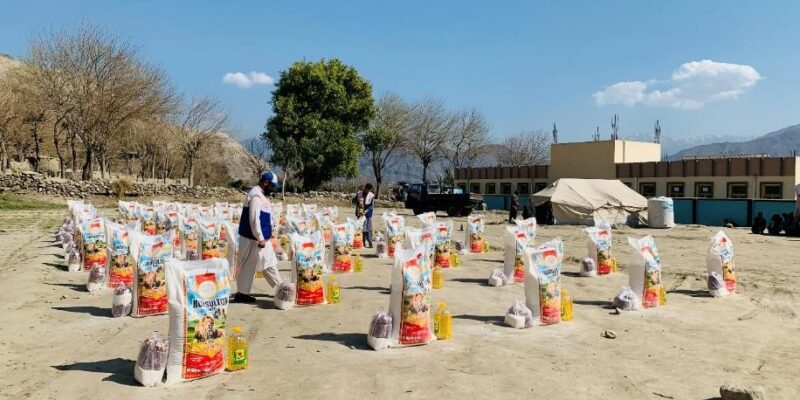
- The careful planning and organized distribution process guaranteed that the meals reached the intended beneficiaries in a timely and efficient manner, without delays or losses.
- Enhanced Organizational Capability:
- Despite facing logistical and coordination challenges, the successful completion of this project strengthened EWSSO’s capacity to implement humanitarian interventions under difficult conditions.
- The lessons learned from overcoming these obstacles will improve EWSSO’s ability to plan, coordinate, and deliver future projects with greater resilience and efficiency.
- Increased Awareness and Support:
- The visible impact of providing warm meals to vulnerable earthquake victims has raised awareness of the critical needs faced by Afghan communities, particularly those who faced hardship.
- The collaboration with OMAI set a strong precedent for future humanitarian partnerships, encouraging more stakeholders to support such life-saving initiatives.
In Summary:
The distribution of warm, ready-to-eat meals to 5000 Earthquake victims in Kunar province significantly improved their nutrition, reduced economic stress, and fostered community solidarity. Despite challenges, the project enhanced EWSSO’s operational capacity and highlighted the importance of continued support for vulnerable Afghan populations.
Beneficiary Feedback
Feedback Collection:
We collected feedback from beneficiaries and local stakeholders through direct interviews, informal discussions, and community engagement sessions. This participatory approach enabled us to better understand the immediate impact of distributing warm, ready-to-eat meals to Earthquake victims and to identify potential areas for improvement in future projects.
Positive Feedback:
Beneficiaries: Many families expressed heartfelt gratitude for the timely support, emphasizing how the warm meals met their urgent needs after facing earthquake hardships in Kunar under difficult circumstances. One recipient shared: “These meals, cash, blankets and hygiene kits gave us strength when we had nothing. It brought hope and helped us endure the hardest days.”
Community Leaders: Local leaders praised the project for its efficient and transparent distribution process, acknowledging the positive effect on vulnerable households. They noted that the intervention
Negative Feedback:
- Government Interference:
Stakeholders raised concerns about bureaucratic obstacles and government interference, which created challenges in the smooth implementation of the project. They suggested strengthening coordination and communication with government agencies in order to streamline approvals and avoid delays in future humanitarian operations.
Reflections and Lessons Learned
During the implementation of the food distribution project in Kunar province, EWSSO gained valuable insights that will inform and improve future humanitarian interventions.
Key Insights:
- Resilience in Adversity:
- Navigating challenges such as the sudden earthquake disaster, logistical obstacles, and potential natural disasters highlighted the resilience and dedication of our team.
- This experience reaffirmed the importance of being adaptable, well-prepared, and proactive in responding to unexpected situations.
- Effective Communication:
- Maintaining clear and consistent communication with beneficiaries and stakeholders proved essential.
- Collecting and acting on feedback allowed us to better understand immediate needs and adjust our strategies to maximize the effectiveness of aid delivery.
- Government Relations:
- The project highlighted the need to strengthen coordination with government agencies to minimize bureaucratic delays and interference.
- Building stronger relationships and establishing clear communication channels with governmental bodies is critical for smoother implementation of future projects.
Application of Lessons:
Moving forward, EWSSO plans to integrate these lessons into future initiatives by improving operational planning, enhancing stakeholder engagement, and reinforcing government coordination. These steps will help ensure that our humanitarian interventions are more efficient, responsive, and impactful for vulnerable Afghan communities.
Lessons Learned and Future Applications:
Based on the experiences and insights gained during the Kunar food distribution project, EWSSO has identified several strategies to enhance future humanitarian interventions:
1- Improving Service Delivery:
· Enhanced Logistics: Develop stronger logistical frameworks, including contingency plans for natural disasters and hard-to-reach areas, to ensure timely and efficient delivery of aid.
· Feedback Mechanisms: Continue regular engagement with beneficiaries through surveys, interviews, and community sessions to keep services responsive and effective.
2- Strengthening Stakeholder Coordination:
· Government Coordination: Build better collaboration with government agencies to streamline approvals and reduce bureaucratic obstacles that could delay project implementation.
· Community Involvement: Increase local community participation in planning and execution to better understand needs and improve the overall impact of interventions.
3- Capacity Building:
· Invest in training for staff on disaster preparedness, emergency response, and logistical management to enhance the organization’s ability to respond swiftly and effectively in future crises.
Conclusion:
By applying these lessons, EWSSO aims to improve service delivery, strengthen stakeholder coordination, and enhance organizational resilience, ensuring more effective and impactful support for Afghan communities in future humanitarian projects.
Future Activities
To build on the emergency hot meal assistance provided to earthquake victims in Kunar, EWSSO has outlined the following key future activities to support vulnerable families in Afghanistan:
- Transition from Relief to Recovery: Move beyond immediate food assistance by supporting earthquake victims and host communities with livelihood and self-reliance initiatives.
- Shelter and Housing Support: Mobilize resources to provide temporary and permanent housing solutions for families struck by disasters and conflicts.
- Livelihood and Income-Generation Programs: Offer vocational training, small business support, and cash-for-work opportunities to help families earn sustainable incomes.
- Food Security and Nutrition: Introduce longer-term food assistance projects, including distribution of dry rations and support for community-based agriculture and kitchen gardens.
- Education and Skills Development: Provide access to non-formal education, literacy programs, and vocational training for youth and women among earthquake victims’ families.
- Psychosocial and Health Support: Establish initiatives that address trauma, mental health, and access to primary health services for earthquake victims.
- Community Resilience and Disaster Preparedness: Strengthen refugee and host community capacity to cope with future shocks through training, early warning systems, and pre-positioned emergency supplies.
- Stronger Partnerships and Coordination: Expand collaboration with donors, local authorities, and humanitarian actors to scale impact and avoid duplication of efforts.
Related Posts
This Post Has 0 Comments