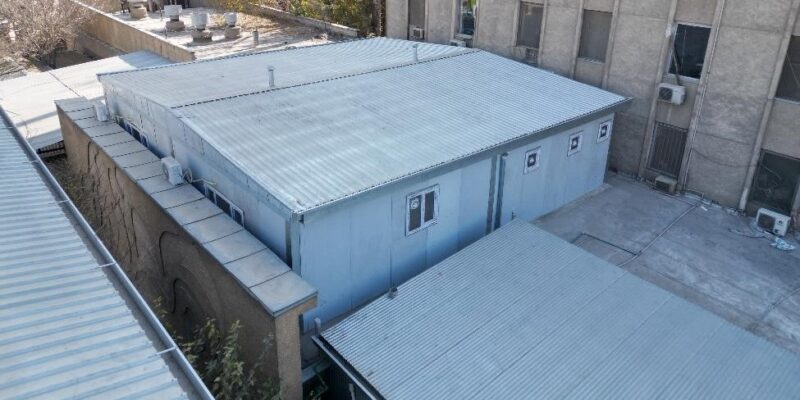
Project Summary To address the critical shortage of specialized space for pediatric blood disorders, AAHP-UK…
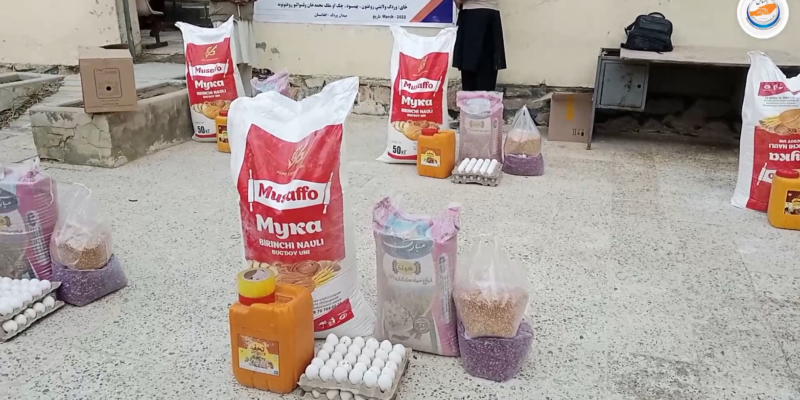
Malnutrition Assistance Project – Kapisa Province
- Situation Overview
Kapisa Province continues to experience persistent humanitarian needs, particularly in the areas of nutrition and basic health services. Prolonged economic constraints, food insecurity, and limited access to healthcare have exacerbated malnutrition among vulnerable populations, increasing health risks and negatively impacting overall well-being.
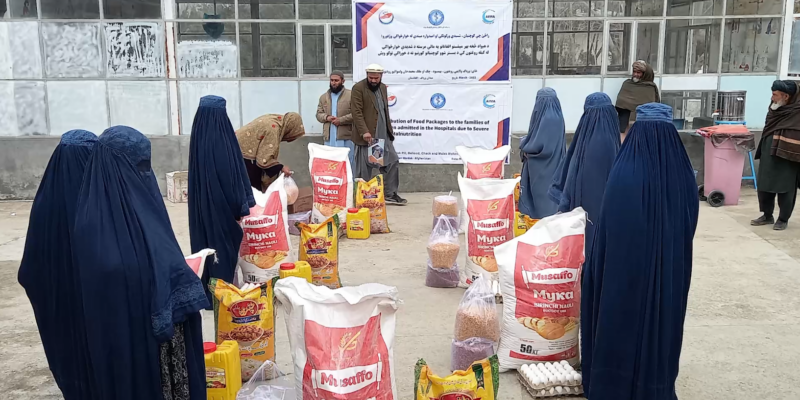
In response to these needs, EWSSO, with the support of the Association of Afghan Healthcare Professionals – UK, implemented a Malnutrition Assistance Project targeting the most vulnerable individuals in Kapisa Province.
- Objective
The objective of the intervention was to provide timely humanitarian assistance to malnourished and vulnerable individuals through nutritional support and basic health assistance, with the aim of mitigating immediate health risks and improving nutritional status.
- Implementation and Modality
The project was implemented using a community-based targeting approach, in coordination with local stakeholders. Beneficiaries were identified based on vulnerability criteria to ensure assistance reached those most in need.
All activities were implemented within the planned timeframe and in accordance with humanitarian principles, including neutrality, impartiality, accountability, and respect for beneficiary dignity.
- Beneficiaries Reached
A total of 33 individuals were reached through the intervention, disaggregated by sex as follows:
| Sex | Number |
| Male | 15 |
| Female | 18 |
| Total | 33 |
The intervention ensured equitable access to assistance, with attention to the specific vulnerabilities of women.
- Results
The project achieved the following results:
- Improved access to essential nutritional support for malnourished individuals
- Provision of basic health assistance to vulnerable populations
- Reduction of immediate nutrition-related health risks among assisted beneficiaries
- Strengthened community engagement and acceptance of health interventions
- Challenges and Lessons Learned
The project was implemented in a resource-constrained environment. Despite these challenges, effective community engagement and targeted assistance enabled successful delivery of planned activities. The intervention demonstrated the importance of localized, low-cost approaches in addressing acute malnutrition in hard-to-reach settings.
- Conclusion
The Malnutrition Assistance Project in Kapisa Province was successfully implemented and met its stated objectives. The intervention provided essential nutritional and basic health support to 33 vulnerable individuals and demonstrated EWSSO’s capacity to deliver targeted health and nutrition assistance in line with humanitarian standards.
Given the continued prevalence of malnutrition and limited health service coverage in Kapisa Province, further support is required to scale up similar interventions. Expanded programming, in coordination with WHO and other partners, would contribute to improved nutrition outcomes and strengthened community-level health responses.
Related Posts
This Post Has 0 Comments